How to trade meme coins in 2026 without becoming exit liquidity
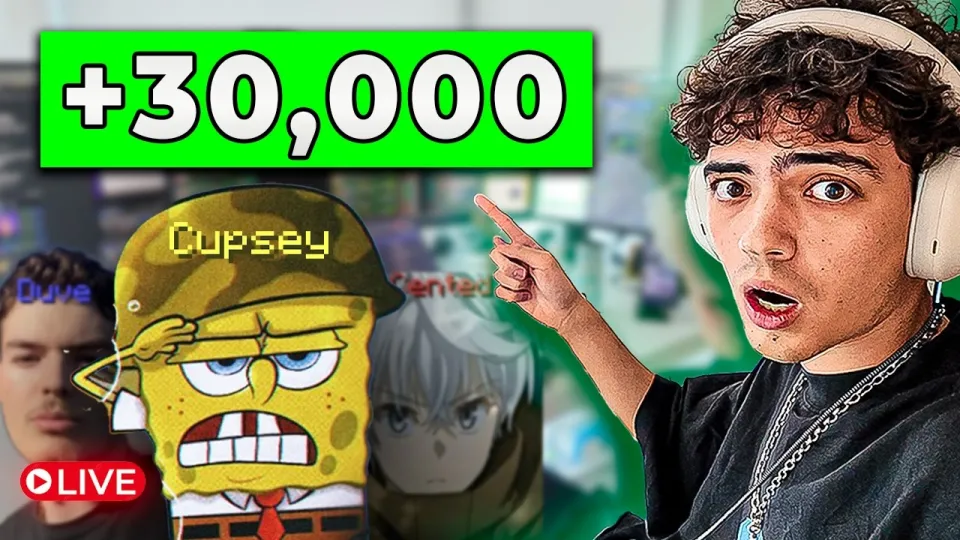
Video: I Traded With The World’s #1 Memecoin Trader
Need articles like this for your video? They help promote it on YouTube and Google — order them in the Telegram bot @sat_sit_bot. The bot writes and publishes the articles itself (with your YouTube video embedded) on popular topical websites (no ads). Free trial — 50 articles.
· based on the channel Ethan Prosper
Meme coin trading is a high-speed, on-chain speculation game where a token's price is driven almost entirely by attention, liquidity and the behavior of a small group of wallets. The realistic answer for most people is that it works only with strict position sizing, fast execution tools such as the Padre terminal used in the video, and a clear exit plan written before entry. Everything else — the 100x screenshots, the lifestyle clips — is a byproduct, not a strategy.
A recent session on the Ethan Prosper channel, where the host traded alongside a guest described as one of the top memecoin traders, is a useful case study. The pair worked through a short list of Solana launches — Lobo, a token called 1%, a cheese-themed coin, an AI cook play, a Grok-branded token and Mosaic AI — and the session reportedly closed with several hundred SOL in gains. The mechanics behind those numbers matter more than the numbers themselves.
What a meme coin actually is and why it moves so fast
A meme coin is a token with no cash flow, no product and no legal claim on anything; its price is a pure function of supply, liquidity and narrative. On Solana, most new ones launch through Pump.fun-style bonding curves, where the token starts with near-zero liquidity and a fixed supply, and migrates to a decentralized exchange once a market-cap threshold is hit.
That structure explains the speed. Three forces dominate price:
- Liquidity depth. A pool with a few thousand dollars of SOL can move 40% on a single $2,000 buy. Large orders are punished by slippage, which is why insiders split size across wallets.
- Attention flow. A mention from a large account, a trending slot on a terminal, or a recognizable ticker can pull in hundreds of buyers within minutes. Attention decays fast — usually within hours, sometimes minutes.
- Wallet behavior. Snipers, dev wallets and bundled buys determine whether a launch is a real distribution or a trap. On-chain tools show exactly who bought in the first block.
Because all three are visible in real time, meme coin trading is less about predicting the future and more about reading the order book and the wallet graph faster than the next person.
The tools and the workflow behind a 350 SOL session
The session in the video runs on a Solana memecoin terminal rather than a standard exchange interface, because speed and information density are the entire edge. The stack looks roughly like this:
- Execution terminal. Padre, Axiom, BullX and Photon are the names that come up repeatedly in this niche. They aggregate new pairs, show holder counts, dev history and social links, and let you buy with one click at a preset slippage.
- Launchpad data. Pump.fun and similar platforms show the bonding curve progress, the creator's wallet and whether the dev has sold.
- Wallet trackers. Following profitable wallets — the guest trader's address is published in the video description — lets you see entries and exits in real time rather than minutes later.
- Charting. Lightweight charts with volume and holder growth are enough; the trade horizon is minutes, not weeks.
The workflow is consistent: scan new pairs, filter out obvious traps, size a position that can go to zero, enter early, and take profit in tranches on the way up. The guest in the video is described as a full-time operator running ten-hour days in the trenches — that is the actual job description.
Position sizing and risk rules that keep you alive
Survival in meme coins is a bankroll problem before it is a picking problem. A trader who risks 2% per position can be wrong twenty times in a row and still trade; one who full-ports a single new pair is out after one bad launch.
Practical rules that fit this style:
- Cap the loss, not the dream. Decide the maximum loss per trade in SOL before entry, and size the position from that number, not from how excited you are.
- Take profit in tranches. Selling 30–50% on the first double removes the emotional pressure and funds the next attempt.
- Assume every new pair can go to zero. Dev dumps, bundled launches and honeypots are routine, not exceptional.
- Track results in a spreadsheet. Win rate, average multiple and average loss tell you within fifty trades whether you have an edge.
- Stop after a defined drawdown. A hard daily or weekly loss limit prevents the classic pattern of giving back a week of gains in one revenge trade.
One widely upvoted comment under the video makes the honest point: these operators are running multi-wallet setups and selling into retail flow. Knowing that does not make the game unwinnable, but it does mean you are trading against professionals, not against the chart alone.
Common questions and doubts from viewers
Viewers repeatedly ask how to pick which launches to ape, what "faucets" means in this context, and whether the speed-trading style is the only way to win. The short answers:
- Picking coins. There is no single filter, but the recurring checklist is: dev wallet clean and not heavily pre-loaded, holders growing faster than price, socials that existed before launch, and no obvious bundle of first-block buys.
- Faucets. In trader slang this usually refers to small, repeatable sources of income or capital — airdrops, referral rewards, or small consistent scalps — that fund riskier attempts.
- Copy trading. Following a published wallet is possible, but you inherit their slippage and their exit timing; by the time a copy executes, the price has often moved.
- Is speed trading required? No. A widely liked comment under the video says it plainly: this is the most difficult style available, and trading larger, more liquid coins is a legitimate alternative.
Red flags that separate a trade from a donation
Most losses in this niche come from a short list of structural traps, and each one is visible before you click buy. A dev wallet holding a large share of supply, a bundle of buys in the first block from linked addresses, a token that has already run 10x before you see it, and liquidity that can be pulled in one transaction are all disqualifying signals.
Equally important is the exit side. If a token's holder count is flat while price rises, the move is being driven by a handful of wallets and will reverse when they sell. If volume collapses while you are still holding, there is no one left to sell to. The traders who post three-figure SOL sessions are usually out of a position within minutes of the first sign of distribution — not because they are smarter, but because they sold into strength rather than hoping for more.
Useful links
- Padre trading terminal used in the session
- Ethan Prosper's link hub
- Guest trader's X profile
- Free SOLMAFIA Discord
- Pastel paid community
Final thoughts
The Ethan Prosper session is a good illustration of what top-tier meme coin trading looks like in practice: a small number of fast trades on Solana launches, heavy tooling, and a discipline that is invisible in the highlight reel. The 350+ SOL figure is real for that operator, but it comes from a full-time schedule, a tested process and a tolerance for frequent small losses. Anyone starting out should treat this style as the advanced end of the spectrum — size small, track everything, and remember that trading larger, more liquid assets is a perfectly valid way to stay in the game. If you want to test the workflow, you can start with the Padre terminal registration and paper-trade the process before committing real capital.
Key takeaways
- A single session on a Solana memecoin terminal produced roughly 350+ SOL in realized gains across a handful of trades, per the video description and viewer reaction.
- Featured trades included Lobo and a token called 1%, a cheese-themed coin, an AI cook token, a Grok-branded play and Mosaic AI.
- Two wallets are published in the description: the host's and the guest trader's, which makes copy-trading and on-chain tracking possible.
- Tools named around the session: Padre terminal, Axiom, Pump.fun, BullX and Photon — all Solana-focused execution venues.
- Most viewers never replicate these numbers because full-porting into new pairs is the hardest, fastest-decaying style in crypto.
Source: I Traded With The World’s #1 Memecoin Trader · Markdown version
Questions & answers
How much capital do you need to start trading meme coins?
You can technically start with a fraction of a SOL, but the meaningful threshold is the amount you can afford to lose entirely across dozens of trades. Most experienced operators size positions so that a single loss is a small fraction of the bankroll, which means a workable starting stack is usually measured in tens of SOL rather than one or two.
Is copy trading a top memecoin wallet a good idea?
It can be a useful learning tool, but it is not a shortcut. By the time a copied buy executes you have inherited worse pricing, and you do not see the trader's exit plan or their other wallets. Treat copy trading as research — watch the wallet's behavior for weeks before risking real size.
What does 'faucet' mean in memecoin trading slang?
A faucet is a small, repeatable source of capital or income — referral rewards, airdrops, or consistent small scalps — that a trader uses to fund riskier attempts without touching their main stack. It is essentially a way to keep the bankroll refilled while experimenting.
Do you have to trade brand-new pairs to make money in memecoins?
No. Speed trading new Solana launches is the hardest version of this game, requiring full-time attention and fast tooling. Trading established meme coins with deeper liquidity, or simply holding a small allocation of the largest names, is a slower but far more survivable approach for most people.